


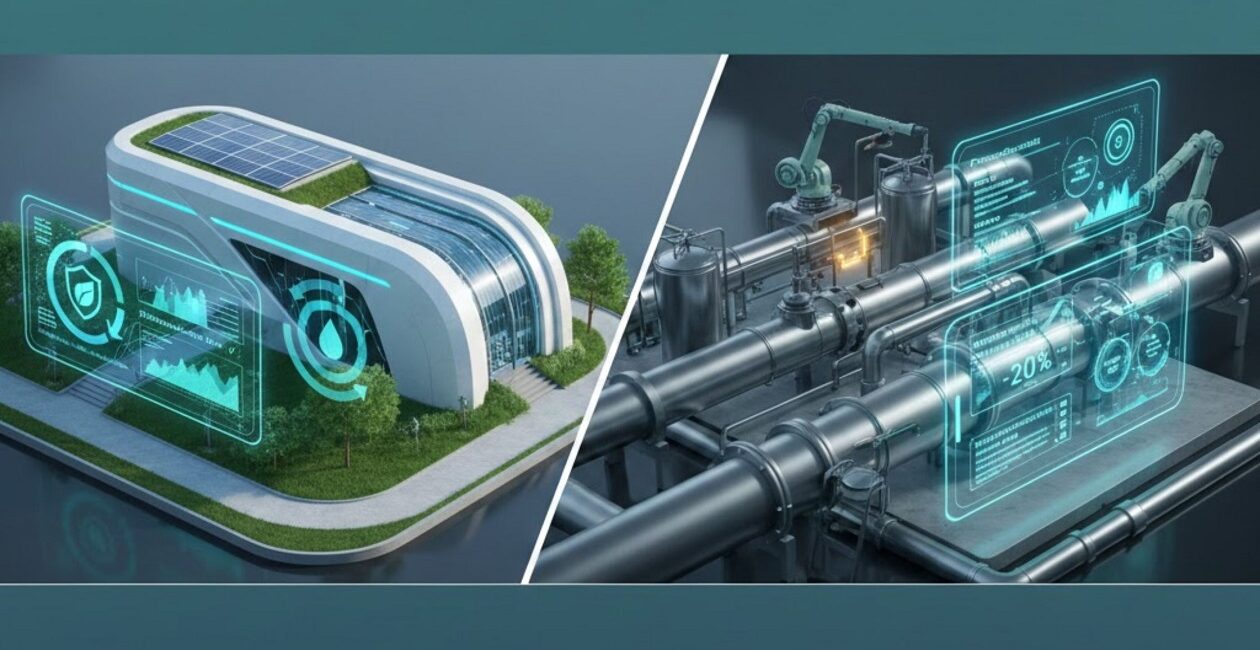
Modern sewage treatment systems are no longer just an option—they are a necessity for many homes, businesses, and industries. As regulations around waste management tighten and operational efficiency becomes increasingly critical, the adoption of advanced treatment plants has surged. Understanding the compliance and efficiency drivers behind this shift is essential for anyone considering investment in waste treatment solutions.
Meeting Regulatory Standards
One of the primary reasons organizations and homeowners invest in sewage treatment systems is regulatory compliance. Governments and environmental agencies have established strict guidelines to control wastewater discharge, aiming to protect natural water bodies and ecosystems. Non-compliance can result in severe penalties, fines, and reputational damage. Modern treatment plants are designed to meet these standards reliably, ensuring that effluent quality consistently falls within permitted limits. By implementing compliant systems, operators reduce legal risks while contributing to environmental stewardship.
Enhancing Operational Efficiency
Beyond compliance, efficiency is a key factor driving the adoption of treatment plants. Traditional septic systems or outdated wastewater setups often require frequent manual intervention and maintenance, leading to higher operational costs. Modern plants incorporate automation and monitoring technologies, which allow for continuous performance tracking. Sensors can detect anomalies, control flow rates, and adjust treatment processes in real-time, reducing downtime and labor requirements. This focus on efficiency not only lowers costs but also maximizes the lifespan and reliability of the system.
Supporting Sustainable Practices
Sustainability is increasingly influencing business decisions across industries. Wastewater management is no exception. Advanced sewage treatment plants are engineered to minimize energy consumption, reduce chemical usage, and recycle treated water where possible. This enables facilities to lower their environmental footprint while potentially generating operational savings. Sustainable practices also align with corporate responsibility goals, enhancing a company’s public image and demonstrating commitment to eco-conscious operations.
Scalability and Adaptability
Another significant driver behind treatment plant adoption is the ability to scale and adapt to changing demands. As population density increases or business operations expand, wastewater volumes grow accordingly. Modern treatment systems are modular, allowing capacity to be increased without a complete overhaul. Additionally, they can adapt to variations in waste composition, such as higher levels of organic matter or industrial effluents. This flexibility ensures that facilities remain compliant and efficient, even as operational conditions evolve.
Reducing Long-Term Maintenance Costs
Maintenance costs are a substantial consideration when selecting a treatment solution. Outdated or poorly designed systems often experience blockages, pump failures, or uneven treatment cycles, which can be expensive to rectify. Modern treatment plants, on the other hand, are built for durability and minimal intervention. Features such as automated cleaning cycles, robust pumps, and corrosion-resistant materials reduce the frequency of maintenance and extend the overall lifespan of the system. These benefits make the initial investment more financially viable over time.
Partnering with Trusted Suppliers
Choosing the right provider is crucial for ensuring both compliance and efficiency. Working with reputable sewage treatment plant suppliers guarantees access to quality systems, expert advice, and reliable aftercare services. Trusted suppliers can guide clients in selecting the appropriate technology, handling installation, and providing ongoing support, all of which contribute to long-term operational success.
Conclusion
The adoption of modern sewage treatment plants is driven by a combination of regulatory, operational, and sustainability factors. Compliance with strict environmental standards protects against legal risks, while efficiency gains reduce operational costs and maintenance demands. Additionally, scalable, adaptable, and sustainable systems meet the evolving needs of businesses and households alike. By partnering with reputable suppliers, organizations can secure reliable, high-performance solutions that support both environmental responsibility and operational efficiency.

Other Articles