


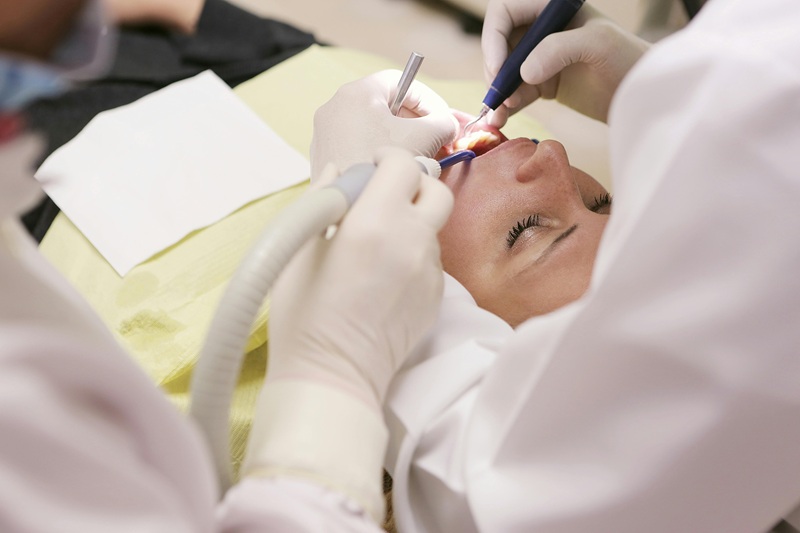
When it comes to modern dental care, the focus is shifting. Instead of waiting to treat problems once they appear, both dental professionals and patients are increasingly prioritizing prevention. This change is rooted in a deeper understanding of oral health’s connection to overall wellness, advances in preventive technologies, and a growing emphasis on patient education.
This article will explore why prevention is now at the forefront of professional oral health and what that means for patients of all ages.
The Rising Importance of Preventive Dentistry
Traditionally, dental visits were seen primarily as a response to pain or obvious decay. People typically went to the dentist when there was a problem. Today, that mindset is evolving. Preventive dentistry focuses on keeping teeth and gums healthy to avoid the discomfort, expense, and longterm consequences of dental disease.
This approach includes routine checkups, professional cleanings, fluoride treatments, and patient education. The goal is simple: catch issues early, manage risk factors, and empower patients to play an active role in their own oral health. With dental conditions like cavities and gum disease being among the most common chronic health issues worldwide, a preventive focus has the potential to improve quality of life for millions of people.
Oral Health and WholeBody Wellness
One of the biggest reasons preventive care has grown in importance is the increasing evidence linking oral health to overall health. Researchers and clinicians have identified connections between gum disease and systemic conditions such as heart disease, diabetes, and even complications in pregnancy. As more people become aware of these links, both patients and providers are more motivated to prevent oral health problems before they start.
Innovations Driving Preventive Care
Advances in dental technology and products have made preventive care more effective than ever. Tools like digital imaging allow dentists to detect early signs of decay or bone loss that might not be visible to the naked eye. Preventive treatments such as dental sealants protect vulnerable surfaces from decay, while technologies like electric toothbrushes and antimicrobial rinses support better daily plaque control.
For example, treatments like dentistry fissure sealant applications are now widely recommended for children and adults alike to protect the pits and grooves of molars, which are areas that are especially prone to cavities. By using these protective barriers early, dentists can significantly reduce the likelihood of decay in highrisk areas, sparing patients from more invasive procedures down the line.
Patient Education
Another reason that prevention is becoming a priority is the emphasis on patient education. Dental professionals today spend more time teaching patients how to care for their teeth between visits. This includes guidance on proper brushing and flossing techniques, tips for choosing oral care products, and strategies for reducing sugar intake.
Educated patients make better choices. When someone understands how plaque forms, how cavities develop, and why gum disease matters, they are more likely to adopt consistent habits that protect their oral health. This shift in mindset (from reactive care to proactive maintenance) is a fundamental change in how dentistry is practised and experienced.
Cost Benefits of Preventive Oral Health
Preventive care isn’t just good for your health, it’s better for your wallet too. Treating advanced dental problems often requires complex and costly procedures like root canals, crowns, or periodontal surgery. By contrast, preventive services such as cleanings, fluoride treatments, and sealants are relatively inexpensive and can substantially reduce the need for major interventions.
From an economic perspective, preventing dental disease makes sense for individuals, families, and healthcare systems alike. When patients take advantage of preventive services and practise good home care, they face fewer emergencies and expensive treatments. Over time, preventive care can lead to significant savings and better allocation of healthcare resources.
Looking Ahead
The trend toward prevention in professional oral health is not a fad; it represents a fundamental rethinking of how dental care should be delivered. By prioritizing early intervention, risk assessment, and patient education, dental professionals are helping patients achieve better outcomes with fewer complications.

Other Articles

Launching Your Equine School the Right Way