

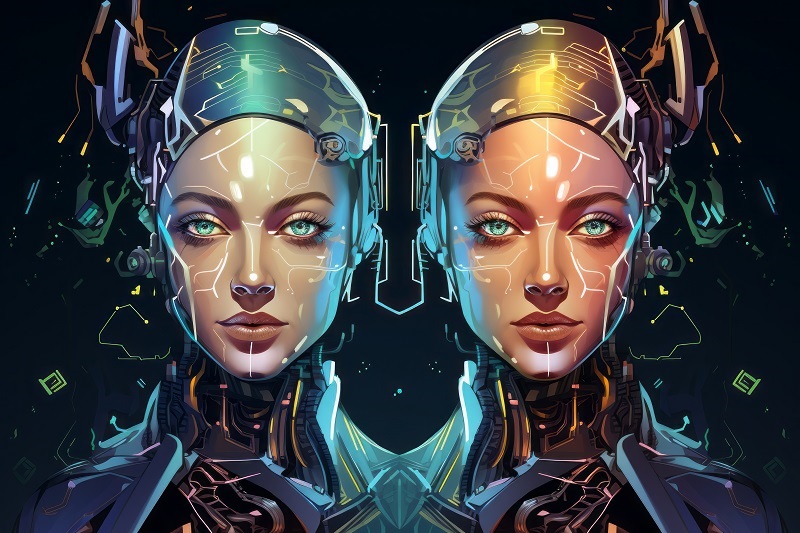
A couple of years ago, AI face swap tools mostly lived in the “just for fun” category. People used them for memes, celebrity edits, or random social media posts that would trend for a day and disappear. That’s changed fast.
Now, creators are using face swap technology for actual work. YouTube channels use it for storytelling. Marketing teams build short-form ads with it. Indie filmmakers experiment with digital characters. Even small content creators are using AI tools to make videos that would’ve taken entire editing teams not long ago.
The problem is that there are now too many tools claiming to be the best. Some look impressive in ads but fall apart once you upload a real video. Others lock basic features behind aggressive paywalls. And a few still produce face swaps that look slightly uncanny no matter how good the source footage is.
After spending time testing the biggest platforms available right now, these are the tools that genuinely stand out in 2026.
At a Glance
| Tool | Best For | Free Plan |
| Magic Hour | Overall AI content creation | Yes |
| DeepSwap | Quick browser edits | Limited |
| HeyGen | AI avatar videos | Limited |
| Reface | Mobile face swaps | Yes |
| Remaker AI | Budget-friendly editing | Yes |
1. Magic Hour — The Best Overall Experience Right Now
If someone asked which platform currently offers the best balance between quality, speed, and usability, Magic Hour would probably be the easiest answer.
What immediately makes it different is that it doesn’t feel like a one-feature AI app. A lot of face swap tools focus only on replacing faces and nothing else. Magic Hour feels more like a full creative workspace built for modern content creation.
Besides face swaps, it includes lip sync tools, talking photos, AI video generation, image creation, upscaling, and multi-step editing workflows that connect everything together. That matters more than people realize.
Normally, creators bounce between multiple apps just to finish one project. One tool for the face swap. Another for video enhancement. Another for voice syncing. Another for exporting. It gets messy fast. Magic Hour simplifies a lot of that.
For anyone looking for a reliable free AI face swap tool without jumping through registration hoops, that alone makes it worth trying. The actual quality is where it starts pulling ahead, though.
Some of the biggest strengths include:
- Extremely realistic face tracking
- Built-in lip sync and talking photo tools
- One-click editing workflows
- Multiple AI models inside one platform
- Parallel generations without annoying queue limits
- Mobile and desktop optimization
- Strong API support
- Stable performance during traffic spikes
- Frequent feature updates
Another area where Magic Hour stands out is pricing.
A lot of AI tools look affordable until users realize credits expire or essential features sit behind expensive plans. Magic Hour’s pricing structure is actually pretty reasonable compared to many competitors right now.
Current plans include:
- Free Plan — 400 credits
- Creator Plan — $15/month or $10/month billed annually
- Pro Plan — $39/month
- Business options for larger commercial workflows
The non-expiring credits make a surprisingly big difference too. Casual creators don’t feel pressured to constantly use credits before losing them.
For people making content regularly, it ends up being one of the stronger value options available in 2026.
2. DeepSwap — Good for Quick Browser-Based Edits
DeepSwap has been around long enough that most people interested in AI face swaps have probably heard of it already.
Its biggest strength is simplicity. Upload a file, swap the face, export the result. The interface is easy to understand even for someone completely new to AI editing.
For short videos or straightforward portrait swaps, it still performs fairly well.
The limitation is that it starts feeling restrictive once projects become more demanding. Longer videos, faster movement, and complex editing workflows expose the difference between DeepSwap and newer-generation platforms.
It’s useful for quick edits, though, especially for casual creators who want something lightweight and browser-friendly.
3. HeyGen — Strong for Business and Avatar Content
HeyGen approaches AI video from a different direction.
Instead of focusing mainly on creative face swapping, it leans heavily into AI avatars, presentations, training videos, and business communication content.
That makes it especially popular with companies creating multilingual videos or digital presenters.
Its lip sync quality is genuinely impressive, and for professional corporate-style videos, it works extremely well.
But for creators making entertainment content, parody edits, cinematic projects, or social-first videos, it can feel a bit less flexible than tools built around broader creative workflows.
Still, in the business AI video space, HeyGen remains one of the biggest names for a reason.
4. Reface — Still One of the Most Fun Mobile Apps
Reface never really tried to become a professional editing platform, and honestly, that’s part of why it still works.
The app stays focused on speed and entertainment. Open it, upload a selfie, swap faces, share the result. Simple.
It became huge during the meme-heavy phase of AI face swaps, and even now it remains one of the easiest mobile apps for quick edits.
That said, it’s not really built for professional creators or long-form video projects. Export controls and editing depth are still fairly limited. But for casual social media content, it’s still fun to use.
5. Remaker AI — A Budget-Friendly Alternative
Remaker AI has quietly built a solid reputation among users who mainly care about affordability.
It doesn’t have the giant ecosystem or advanced workflow features that platforms like Magic Hour offer, but it handles simple face swaps surprisingly well for the price. The interface is straightforward, and beginners usually adapt to it quickly.
For users experimenting with AI editing for the first time, especially on smaller projects, it’s a decent starting point without a huge financial commitment.
How We Chose These Tools
The tools on this list were selected based on:
- Face swap realism
- Ease of use
- Free plan value
- Rendering speed
- Extra creative features
- Pricing flexibility
Platforms that combined strong quality with creator-friendly workflows ranked the highest.
Market Trend: Why AI Face Swap Tools Are Exploding in 2026
The AI creator economy is growing at a pace that honestly would have sounded unrealistic just a few years ago.
Short-form video platforms, digital marketing campaigns, AI influencers, and virtual storytelling have all pushed demand for AI editing tools much higher. Content creators are under pressure to produce faster, post more often, and compete visually without huge production budgets.
That’s exactly where AI face swap platforms started gaining serious traction.
Instead of spending hours on manual editing, creators can now generate alternate scenes, character swaps, localized videos, parody content, or social campaigns in minutes.
Final Thoughts
AI face swap tools have moved way beyond internet gimmicks at this point. They’re becoming part of everyday content creation workflows, especially for video creators trying to produce more content without massive editing teams. But not every platform evolves at the same pace.
Some tools still feel experimental. Others feel overly restrictive once users move past basic edits. And a few simply don’t justify their pricing anymore.
Right now, Magic Hour feels like the platform that best understands where AI content creation is heading.
It combines realistic face swaps, lip sync, talking photos, video generation, and workflow automation into something that actually feels practical for creators instead of just flashy for demos.
For casual users, the free plan is generous enough to explore properly. For creators working consistently, the paid plans offer strong value without feeling bloated or overpriced.
That combination is a big reason why so many creators are now treating it as the go-to AI face swap platform of 2026.