


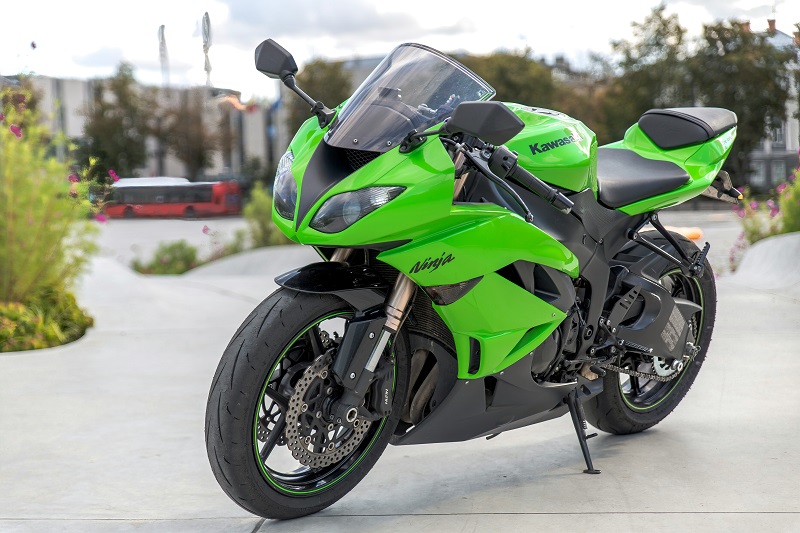
You watch one video of some guy clearing a berm like it’s nothing, and suddenly you’re checking your bank account. That’s how it starts for most people. Kawasaki has spent years building bikes that shrug off mud, rocks, and roots without shaking apart on the way down a rough hill. Power matters to dirt riders, sure. But nobody wants their fillings rattled loose on a bad landing either. Green machines keep pulling riders back for a reason, and it isn’t just nostalgia.
Most riders can’t resist making the bike their own before that first real ride. A Kawasaki motocross decal kit is usually step one. Doesn’t fix your suspension. Won’t add a single horsepower. But it turns a bike that looks like it rolled off a rental lot into something that’s actually yours. Peeling off the factory stickers and slapping on graphics you picked yourself? Oddly satisfying. Call it vanity. Riders just call it having taste.
The KX Series Still Rules the Track
Riders chasing real motocross performance keep landing on the KX250 and KX450, and it’s easy to see why. These bikes accelerate like they mean it, and the suspension eats jumps without much drama. The KX250 can catch a beginner off guard at first. That throttle response feels a little too eager early on. Stick with it, though, and eager starts to feel like exactly what you wanted. Riders after more speed and rougher terrain usually graduate to the KX450 sooner or later. Once you’ve spent a few weekends on either one, going back to something tamer starts to feel oddly boring. Nobody really warns you about that part.
KLX Bikes Bring Versatility to the Table
Not every rider wants a race machine. Some just want something for Saturday trail rides and maybe a lazy loop around the block on Sunday afternoon. That’s where the KLX230 and KLX300 come in. Less raw power, more comfort. New riders gravitate here often, mostly because the learning curve feels forgiving and the seat height won’t leave you on your tiptoes. Even seasoned riders keep a KLX around sometimes, just for the rides where showing off isn’t really the point. There’s a certain relief in riding something that doesn’t demand your full attention every second. Sometimes you just want to look at the trees.
Suspension and Tires Matter More Than People Think
Horsepower gets all the attention. Suspension does the actual work. Kawasaki tunes its off-road setups to absorb hits from rocks and roots before that shock ever reaches your spine, which matters more than most riders realize until they feel the difference. Tires deserve the same respect. Stock rubber handles plenty of conditions fine, but swap in something grippier for mud or sand and the whole ride changes.
Riders skip this step constantly, then wonder why their bike feels sluggish in soft dirt. The answer was underneath them the entire time. It’s a cheap fix too, all things considered, especially compared to the money people dump into exhaust systems and engine tuning before they’ve even sorted out their tires.
Getting Ready for the Trail
So which one do you pick? Depends on your skill level, and depends on where you plan to ride. Racers lean KX. Casual riders and beginners lean KLX. Either way, a little customization goes a long way toward making a bike feel like yours and not something fresh off a dealership floor. Throw on some graphics. Dial in the suspension. Match your tires to your local trails, and quit overthinking it. The dirt’s waiting, and it really doesn’t care how nervous you are before that first big jump.

Other Articles

Exploring Alternative Career Paths Within Primary Care
Why Strategic Communication Matters for HR Brands