


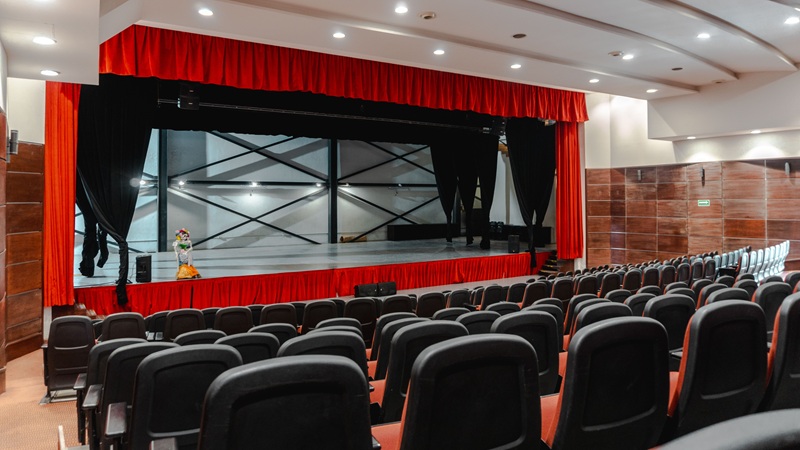
The success of an event is often judged by the quality of the speaker, the content being delivered, or the technology on display. However, one factor that frequently goes unnoticed has a significant impact on every attendee’s experience: the layout of the auditorium.
Whether you’re hosting a company-wide meeting, delivering employee training, welcoming clients for a product launch, or organising an educational seminar, the way people are seated influences attention, communication, comfort, and engagement. A thoughtfully designed venue doesn’t simply look professional. It actively supports better learning, stronger collaboration, and more successful outcomes.
Investing in high-quality auditorium seating is about creating an environment where people can focus, participate, and leave with a positive impression.
Better Visibility Leads to Better Engagement
One of the biggest challenges in any large venue is ensuring everyone can clearly see the presenter, stage, or screen. Poor sightlines quickly lead to distraction as attendees struggle to follow presentations or demonstrations.
Tiered seating, carefully planned row spacing, and correctly angled seating allow every member of the audience to enjoy an unobstructed view. Good visibility naturally increases concentration because people spend less effort trying to see what’s happening and more time absorbing the information being presented. Well-designed auditorium layouts are specifically intended to maximise sightlines while balancing capacity and accessibility.
Comfortable Audiences Stay Focused Longer
Anyone who has sat through a lengthy conference or training session in uncomfortable seating knows how quickly concentration disappears.
Ergonomic seating with adequate legroom and back support helps attendees remain comfortable during extended presentations. Reduced movement also benefits everyone else in the room by limiting unnecessary distractions.
For organisations investing heavily in staff development or client events, improving physical comfort often translates into improved knowledge retention and a better overall experience. Modern auditorium seating increasingly incorporates ergonomic design and optional features such as writing tablets or integrated power to support longer sessions.
Different Events Need Different Layouts
Not every event has the same objective, which is why flexible planning is so important.
A theatre-style arrangement works exceptionally well for keynote speeches and presentations where audience attention should remain fixed on the stage. Classroom layouts provide space for note-taking during workshops and professional training sessions. Cabaret and banquet arrangements encourage discussion, networking, and collaborative activities.
Choosing the right layout for the event rather than relying on a one-size-fits-all solution allows organisers to get far more value from the same venue. Different seating configurations support different communication goals, from formal presentations to interactive learning.
Supporting Better Business Communication
Internal communication remains one of the biggest challenges facing growing organisations. Company updates, leadership briefings, product launches, and strategy meetings all benefit from environments specifically designed to support large audiences.
A professionally designed auditorium helps eliminate many of the issues that interrupt communication, including poor visibility, awkward seating positions, restricted access, and overcrowding.
When employees feel comfortable and can clearly engage with presentations, meetings become more productive and messages are more likely to be understood.
Training Becomes More Effective
Businesses spend significant amounts on employee development each year, yet training effectiveness depends on more than the quality of the instructor.
Learning environments influence attention, participation, and information retention. Seating that provides clear sightlines, sufficient writing space, and comfortable posture creates an atmosphere that supports learning rather than competing with it.
Combined with strong acoustics and modern presentation technology, a well-planned auditorium allows organisations to maximise the return on every training session.
Making a Strong First Impression
Visitors often form opinions about an organisation within minutes of arriving.
An auditorium that feels modern, organised, and comfortable reflects positively on the professionalism of the business itself. This is particularly valuable when hosting clients, investors, partners, or prospective employees.
Details such as consistent seating layouts, quality finishes, accessibility, and thoughtful design communicate that the organisation values both presentation and visitor experience.
Future-Proofing Multi-Purpose Spaces
Many organisations now expect their venues to support a wide range of activities, from hybrid meetings and conferences to staff training, community events, and presentations.
Planning seating with flexibility in mind allows spaces to adapt as organisational needs evolve. Modular layouts, integrated technology, accessible seating, and durable materials help ensure venues remain practical for years to come rather than requiring costly redesigns after only a short period.
Final Thoughts
An auditorium is far more than a room filled with chairs. It is an environment that influences how people learn, communicate, collaborate, and remember an event.
When visibility, comfort, accessibility, and layout all work together, organisations create experiences that keep audiences engaged while improving the effectiveness of meetings, training sessions, conferences, and presentations. Thoughtful auditorium design ultimately supports better business performance by helping every event achieve its purpose.