

A reliable heating system is essential in any commercial rental property. Whether you’re managing offices, retail units, warehouses, or mixed-use developments, heating failures can quickly lead to unhappy tenants, disrupted business operations, and expensive emergency repairs. In some cases, prolonged downtime may even result in lease disputes or damage to your property’s reputation.
Fortunately, most major heating problems don’t appear without warning. They often begin as small issues that gradually worsen when regular maintenance is overlooked. By taking a proactive approach, landlords and property managers can reduce unexpected breakdowns, extend the lifespan of their heating systems, and better control maintenance costs. Here’s everything you need to know.
Prioritise Preventative Maintenance
Waiting until a heating system fails is usually the most expensive approach. Small faults such as worn components, blocked filters, or declining boiler efficiency can often be identified and resolved during routine servicing before they develop into major failures.
A planned maintenance programme allows engineers to inspect key components, test safety systems, clean equipment, and identify early signs of wear. This helps reduce the likelihood of unexpected outages while keeping systems operating efficiently. Regular preventative maintenance can also improve budgeting by replacing unpredictable repair bills with scheduled servicing costs.
Work With Qualified Professionals
One of the most effective ways to prevent costly heating failures is to partner with an experienced commercial heating engineer who understands the specific requirements of commercial properties. Professional engineers can provide planned maintenance, diagnose developing faults, carry out repairs safely, and advise when equipment upgrades may be the most cost-effective solution. Having an ongoing relationship with a trusted specialist also means faster response times when unexpected issues do arise.
Schedule Annual Heating Inspections
An annual inspection before winter gives property owners the opportunity to identify problems before tenants begin relying heavily on the heating. During a professional inspection, engineers may assess:
- Boilers and burners
- Pipework and valves
- Pumps and circulation systems
- Controls and thermostats
- Expansion vessels
- Flues and ventilation
- Safety devices
Identifying deteriorating components early can prevent costly emergency call-outs during peak heating season.
Respond Quickly to Minor Issues
Many expensive repairs begin with problems that initially seem insignificant. Unusual noises, inconsistent temperatures, pressure fluctuations, or increased energy consumption often indicate that something within the heating system requires attention. Ignoring these warning signs may allow relatively inexpensive repairs to develop into complete system failures. Encouraging tenants to report heating concerns promptly enables maintenance teams to resolve issues before they become disruptive.
Keep Detailed Maintenance Records
Accurate service records provide valuable information about your heating equipment. Recording inspections, repairs, replacement parts, and servicing dates makes it easier to identify recurring faults and determine when equipment is approaching the end of its service life. Maintenance documentation can also support compliance requirements and demonstrate that appropriate care has been taken to maintain building services where necessary.
Don’t Overlook Heating Controls
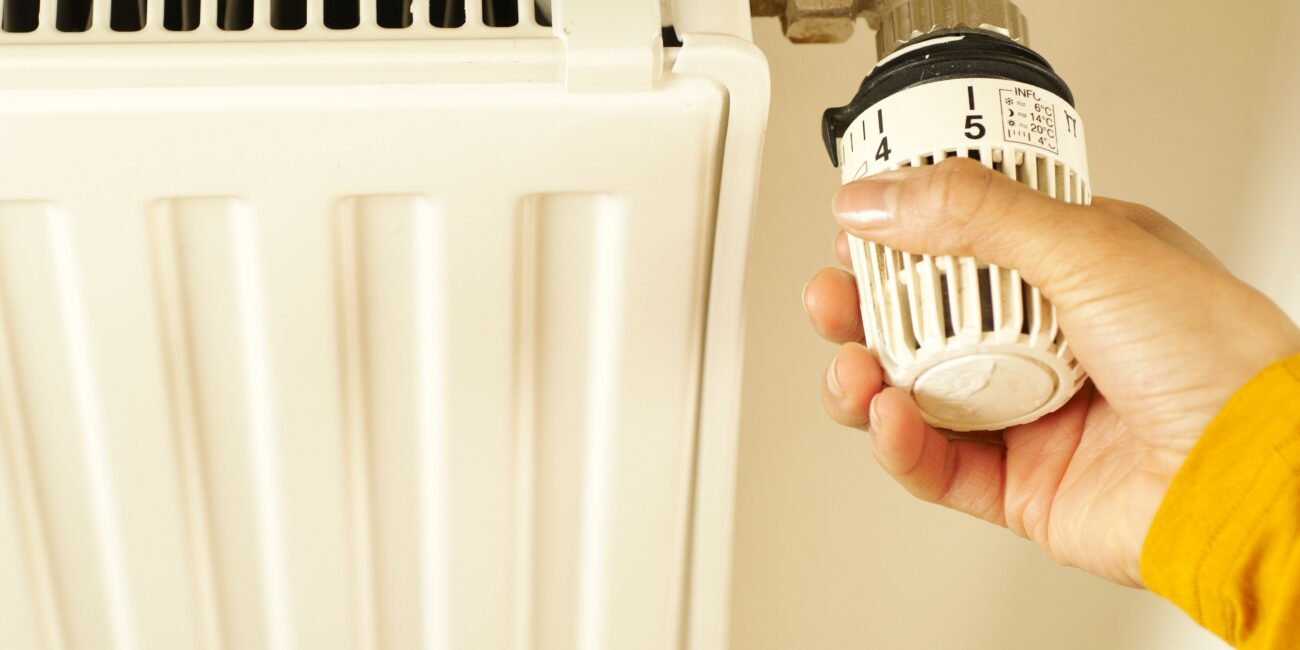
Modern commercial heating systems rely heavily on controls to maintain efficiency. Faulty thermostats, damaged sensors, or outdated control systems can cause boilers to cycle unnecessarily, overheat buildings, or waste significant amounts of energy. Regular calibration and testing of heating controls help ensure that systems operate only when required, improving both comfort and operating costs.
Maintain Good Water Quality
In closed commercial heating systems, poor water quality can gradually reduce performance. Sludge, corrosion, and debris may accumulate inside pipework and heat exchangers, restricting water flow and forcing boilers to work harder. Regular water testing, system flushing where appropriate, and maintaining correct chemical treatment can improve efficiency while reducing wear on pumps and other components.
Educate Tenants About Reporting Problems
Tenants are often the first to notice changes in heating performance. Encouraging them to report unusual noises, cold spots, inconsistent temperatures, or visible leaks as soon as they appear allows maintenance teams to investigate before problems escalate.
Protect Your Investment With Proactive Maintenance
Rather than reacting to breakdowns after they occur, regular servicing, early intervention, and expert support help keep commercial heating systems operating safely and efficiently throughout the year. For landlords and property managers, investing in preventative maintenance today can prevent far greater expenses tomorrow.

Other Articles